CaseCaptured
CaseCaptured
One Case. One Shirt. Two Sides
FRONT: PROSECUTION’S THEORY
BACK: DEFENSE’S THEORY

Interactive preview • MVP in development
One case. Two sides.
Courtroom narrative-inspired apparel concepts
◧CaseCaptured • concept preview
Explore the concept
Use the controls to try a sample flow. Demo data only: this does not create accounts, make bookings, connect to external systems or save entries.
Verify facts and review legal rights before publishing or selling designs.
Built around a real problemOne case. Two sides.
Help shape the MVPUse this flow to assess what is clear and useful.
Next stepValidate the concept, then connect secure backend services.
© CaseCaptured • Prototype onlyDemo data only — not a live service
“Curious? Stay in the loop. Get launch news, sneak peeks, and opportunities to be among the first to try it.”
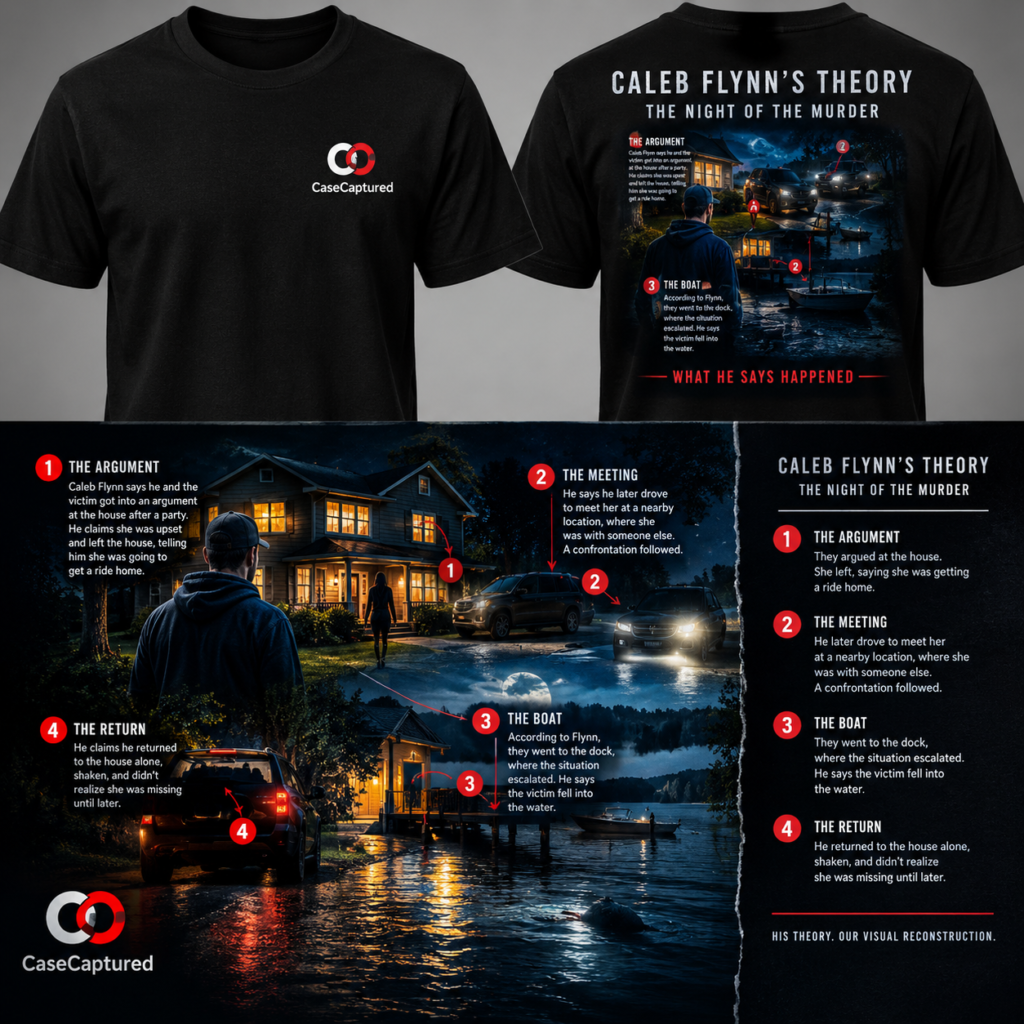
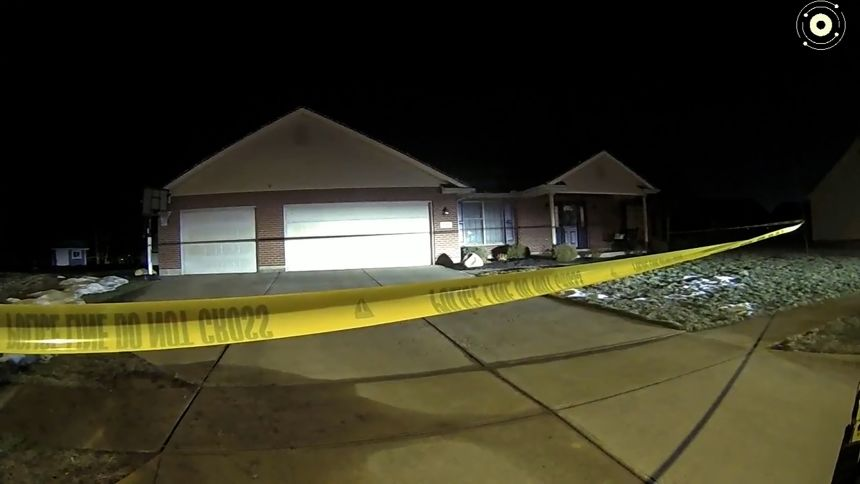
Prosecutor Theory
A planned killing disguised as a burglary
Prosecutors argued that Flynn shot Ashley twice in the head while she was sleeping, then staged the scene to make it appear that an intruder had broken into the home. They alleged that his affair with Alleigha Botner and his desire to begin a new life were central to the motive; financial issues were also raised.
The main points supporting the prosecution’s account included:
The affair and alleged motive. Messages between Flynn and Botner documented their relationship and discussions about Ashley, including violent statements and messages about their future together.
The disputed break-in. Investigators testified that the door damage was inconsistent with a conventional forced entry, challenging the intruder account.
The missing firearm. Prosecutors presented evidence concerning a 9mm handgun reportedly kept in Flynn’s truck; the murder weapon was never recovered.
Digital activity. Prosecutors argued that device data contradicted Flynn’s account that he was asleep when the shooting occurred.
The 911 call and crime scene. The State argued that Flynn’s account and the scene were consistent with an effort to make the killing look like a home invasion.
Defense position
An unknown intruder killed Ashley
Flynn told investigators that an unidentified burglar entered the home and shot Ashley. He denied killing her. His attorneys argued that the prosecution had built a circumstantial case and had not proved that he was the shooter. The defense acknowledged the affair but argued that being an unfaithful husband did not establish murder.
The defense’s principal arguments included:
No eyewitness or recovered murder weapon. No witness testified to seeing Flynn shoot Ashley, and the firearm was never recovered.
Circumstantial evidence. The defense argued that the prosecution was asking jurors to connect pieces of evidence that did not prove he committed the killing.
The affair was not proof of murder. His attorneys maintained that morally troubling conduct and hostile messages could not substitute for proof of the charged crime.
Questions about the evidence and witnesses. The defense highlighted the absence of certain digital material from Botner’s devices and challenged the inferences drawn from the prosecution’s evidence.